Understanding Drupal

summary
Drupal is both a CMS and a framework that powers sites from small shops to high‑traffic properties like weather.com (over a billion visits per month), the White House and the Grammys, and it claims built‑in security and stronger multilingual support in Drupal 8. Core concepts are concrete: node = content container, content types act as one‑per‑node templates, fields enforce validation and separate data (one field per datum), blocks live in theme regions and views create listings and exposed filters, image styles normalize uploads, modules add features and distributions prepackage use cases. Blocks can now have fields in Drupal 8 and views can produce blocks and map outputs.
AI-written summary · about
chapters (22)
- 0:00Introduction
- 0:30Who am I
- 0:42Nicaragua
- 1:16Why use Drupal
- 3:10Features of Drupal
- 4:33What is Drupal
- 7:23Website vs Web Page
- 8:30Drupal Core
- 11:53Node
- 15:23Content Types
- 19:06Free Text Search
- 22:50Field
- 27:26Information
- 31:58Fields
- 33:29Notes
- 33:41Regions
- 37:10Disability Rules
- 38:31Blogs
- 39:30Block Fields
- 40:19Views
- 45:17Group
- 45:47Example
related talks
 01h 05mUnderstanding Drupal
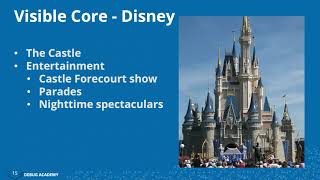 31mYou Are Here: Exploring the Most Magical CMS on Earth
 41mWhat’s New in Drupal 8?
 13mCERN’s D8 Digital Portfolio
 22mStop buying Drupal websites, buy open digital experiences
 44mIntroduction to Developing with Orchard Core CMS
 43mPlanning Enterprises Path for Your Drupal 9 Journey
 44m"Creating an enterprise level editorial experience for D8 using React"