Hacking Web Performance

summary
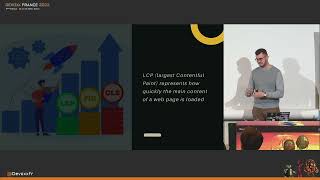
Core Web Vitals targets are concrete: LCP ≤ 2.5 s at the 75th percentile, FID ≤ 100 ms and CLS ≤ 0.1, yet global median time-to-interactive sits near 9.3 s. Practical hacks given include delivering above‑the‑fold in the first TCP burst (~14.6 KB), eliminating http→https redirects with HSTS and hstspreload.org, enabling HTTP/3 (QUIC) for ~10%+ wins, using Brotli (≈25% smaller than gzip), set immutable long caches, dns‑prefetch/preconnect/preload fonts, lazy‑load images and serve WebP/AVIF.
AI-written summary · about
chapters (17)
- 0:00Introduction
- 1:11Web performance matters
- 2:35Core Web Vitals
- 8:07Web performance reality
- 10:15Mobile browser complexity
- 12:48Mobile network performance
- 15:45Chrome light pages impact
- 16:51Progressive web apps and performance requirements
- 17:35First load with TCP slow start
- 20:48HSTS for HTTPS redirects
- 21:50HTTP/3 and Brotli optimization
- 23:15Caching static resources
- 25:03Preloading and prioritization
- 27:16Lazy loading images
- 28:20Modern image formats
- 29:22Frameworks vs performance
- 30:48Performance as the top development priority
related talks
 36mHacking Web Performance
 39mCore Web Vitals under control
 25mCore Web Vitals under control
 25mCore Web Vitals under control
 01h 14mCore Web Vitals: Theory and practice
 15mCore Web Vitals – Measuring Performance Like a Pro
 35mRevitalising the Web - The Importance of Web Performance
 29mCore Web Vitals: Put Your App into Orbit with Best Practices