Hacking Web Performance

summary
Provides concrete web performance fixes and measured impacts: reduce median Time To Interactive (currently ~9.3s) toward targets like LCP ≤2.5s and FID ≈100ms by keeping the initial response under ~14.6 KB (inline small CSS/logo, use Brotli for ~25% better compression), enable HSTS to avoid redirect RTTs, migrate to HTTP/3 (QUIC) for lower latency, and use preload/prefetch/resource-hints, modern image formats (WebP/AVIF with ~22–40% smaller size), and aggressive long cache lifetimes.
AI-written summary · about
chapters (18)
- 0:00Introduction
- 1:08Performance matters
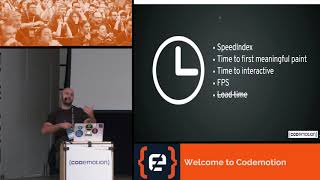
- 2:53Key web metrics
- 8:17Mobile load times
- 10:11Ignored browsers
- 12:39Latency vs bandwidth
- 15:31Chrome Light Pages
- 16:52PWA metrics
- 17:35First HTTP packet
- 20:49HTTP redirects
- 21:54HTTP/3 and QUIC
- 22:57Cache strategies
- 25:06Preload connections
- 26:52Download priorities
- 27:36Lazy load images
- 28:17Image formats & compression
- 29:23Frameworks vs performance
- 30:46Performance investment
related talks
 36mHacking Web Performance
 31mWe're All Doing the Best We Can
 47mMake the Web Faster
 29mHigh Performance in the Critical Rendering Path
 41mSpeed at Scale: Web Performance Tips and Tricks from the Trenches
 28mWhat we talk about when we say "web performances"
 58mNeed for speed 8, performance tuning of your web application
 28mThe Browser Hackers Guide To Instantly Loading Everything