The Decentralized Web

summary
Explains problems of the current web (centralization, data loss, and dependency on connectivity) and shows how a decentralized web uses Merkle trees and peer-to-peer replication—like git—to keep identical data distributed and resilient. Describes technologies such as DAT and IPFS and demonstrates how to publish a simple website (including CDN-like distribution and a blackjack example) on these systems.
AI-written summary · about
chapters (14)
- 0:00Decentralized web intro
- 3:34Myths about decentralized web
- 7:05Surveillance business model
- 12:01Internet scalability limits
- 16:49Decentralized vs blockchain
- 21:31Internet spacetime limits
- 26:17Distributed systems basics
- 32:36Data storage vs ISPs
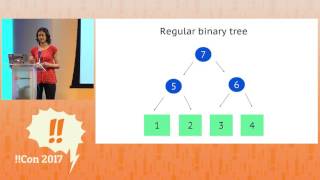
- 37:13Merkle trees in decentralization
- 42:33First 90% of development
- 46:11How the Web was built
- 50:24Google's decentralization
- 52:37Current projects outlook
- 55:15Q&A
related talks
 46mLet's Save the Web: Decentralize!
 01h 04mKeynote: Towards a more effective, decentralized web
 10mHow Merkle Trees Enable the Decentralized Web!
 18mRefactoring the Web
 25mIt's Time to Reinvent the Web, Without the Internet
 40mThe bright and exciting future of the decentralized web
 14mResilience or Building on Quicksand: Decentralized Infrastructure
 25mImagine This: A Web Without Servers