Does Your Code Hurt?
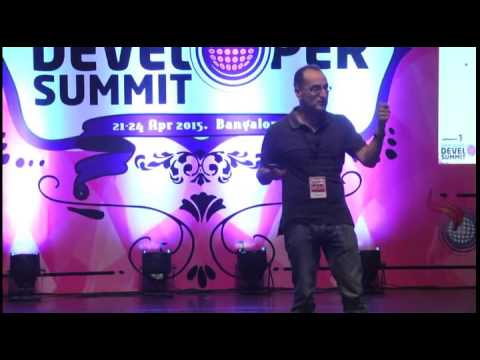
summary
Argues that bad code costs more over time and gives concrete remedies: use editor automation like auto-complete and idea Matic checks to catch nulls and unused variables, run tools that remove unused DLLs (reports of ~50% reduction in deployed DLLs), adopt lightweight peer reviews and inspect before check-in to enforce style and tests, treat refactoring as ongoing work, stop relying on weekend-hero fixes, ask “why” before criticizing code to learn constraints, and practice fundamentals regularly so code evolves with the business language.
AI-written summary · about
chapters (10)
- 0:00Introduction
- 1:55Flawed software projects
- 6:23Use coding tools
- 15:14Address bad code
- 18:09Inspect before check-in
- 19:58Projects need no heroes
- 21:51Practice like a pro
- 24:23Refactor constantly
- 26:56Bad code wastes money
- 29:14Closing remarks
related talks
 47mBreak free from maintenance hell with Clean Code
 25mBest Practices for Writing Clean and Maintainable Codes
 39mYou should stop writing code
 51mTwelve Ways to Make Code Suck Less
 38mCracking the Code Review: from Guesswork to Automated Guidance
 15mThe Uncomfortable Truth of Bad Code
 54mReadable Code: The Secret to Clean, Productive Software
 32mKeeping your code strong