Tyler Bell | Google Next 2017

summary
Argues that IoT plus cloud and ML produce “smart systems” by training on labeled datasets and large behavioral archives (example: dashcam video tied to steering to teach driving), using massive GPUs (Intel/NVIDIA) in the cloud then shipping models for edge inference so devices send events not raw video. Notes sensors commoditize data, cites about 370 IoT platforms, and predicts concrete urban changes—reclaimed parking, new fleet models—driven by deployed autonomy.
AI-written summary · about
chapters (11)
- 0:00Introduction to Google Next
- 1:09Data and IoT convergence
- 3:13Data distribution challenges
- 5:00Data in software development
- 6:47Enterprise vs. cloud pace
- 7:54Real world digitization
- 9:01IoT cloud architecture
- 12:58Value creation shifts
- 14:45Beyond mobile devices
- 15:49Societal impact of autonomy
- 18:18Closing remarks
related talks
 20mHow ML is Powering the Future of IoT
 40mInternet of Things - Big Data
 29mLife on the Edge
 59mThe evolution in AI thinking and products of the next decade
 22mBuilding the AI City: Edge-to-Cloud AI Inference for Smart Cities
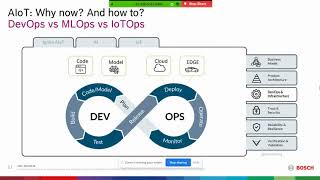 22mAIoT: Why now? And How To?
 27mFrom Edge to Enterprise: Intelligent IoT Architectures
 52mMachine Learning in IoT Applications