Live Low Latency Video Streaming

summary
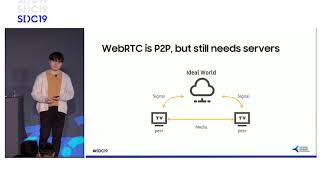
Company reverse-engineers RTMP and ships Red5 Pro to move flash workflows to iOS, Android, HTML5 and IoT, integrating WebRTC for real-time delivery. HLS stays high-latency (best 4–6s, often 30–40s) so servers or WebRTC are used for interaction; pure peer-to-peer breaks down after peer limit ~6-7. Examples include a conveyor-belt sensor stream in production since 2008, drone and traffic camera relays, a body‑cam pipeline that uses OpenCV masking and a half-second latency claim with autoscaling Red5 Pro edges on AWS/GCE.
AI-written summary · about
chapters (4)
related talks
 44mLive Video in a Modern Web Environment
 17mLive Video Streaming as "tail -f"
 19mLow Latency Live from a Different Vantage Point
 41m8K Codec Low-Latency Livestreaming, and AI Streaming
 34mLightning Talks
 22mRTMP: web video innovation or Web 1.0 hack… how did we get to now?
 24mVideo streaming on the web: Live and recorded video streaming
 27mPerformance of Low-Latency DASH/CMAF and Low-Latency HLS Systems