Programming languages as religions or instruments?

summary
Claim: programming languages are tools not faiths and choosing one requires matching its original philosophy to the problem, not just familiarity. Evidence: historical roles of C, Java, JavaScript, Haskell, PHP, Go and community/standard-library support; popularity metrics like KOB index, GitHub/RedMon aggregation and search-based rankings. Mental risks: Dunning–Kruger effect and hype cycle distort judgment. Practical rule: rotate languages roughly every five years, check existing solutions, deadlines and technical constraints before committing.
AI-written summary · about
chapters (21)
- 0:00Intro
- 1:10Bias and pitfalls
- 5:56Common theory
- 8:48About programming languages
- 10:02How to choose program language
- 12:51UNIX
- 14:00C
- 15:00Escape
- 15:34Haskell
- 16:08PHP
- 16:47Go
- 17:42Religion
- 18:16Country
- 19:29Pitfalls
- 21:14Losing your position
- 21:44The 3rd component
- 22:13Hype cycle
- 23:44Enterprise pain
- 24:03Instruments
- 25:07Questions to ask yourself
- 25:46Psychology trick
related talks
 22mThe Linguistic Relativity of Programming Languages
 39mProgramming in Interesting Times
 38mProgramming Language Stereotypes
 45mThe Polyglot Programmer
 36mUrban Legends: What You Code Makes You Who You Are
 48mLearn or Die?
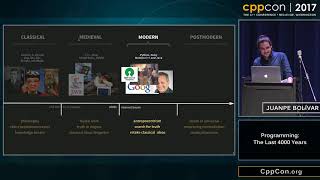 06mPrograming: The Last 4000 Years
 53mRefactor your language knowledge portfolio - we are what we can code in