Thinking Beyond the REST API: gRPC for Android
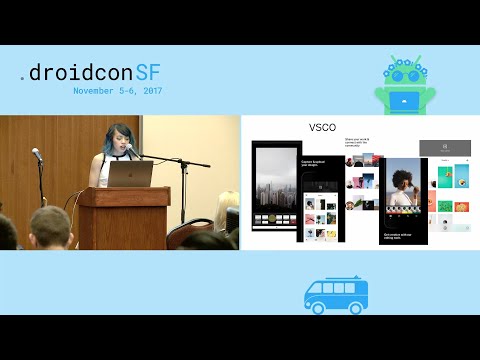
summary
VSCO moves client analytics from fragile JSON hashes to an IDL-backed contract (shared .proto) that generates Java stubs, uses Protocol Buffers (lite) for smaller/faster binary payloads, and runs gRPC over HTTP/2 with an OkHttp transport. The app tracks 152 distinct user actions; proto generation enforces field types, reduces JSON parsing, and enables unary and bidirectional streaming for large uploads. Build.gradle adds protoc + gRPC plugins; backend coordination and some custom codegen remain required.
AI-written summary · about
chapters (9)
- 0:00Introduction
- 2:24Why switch to gRPC
- 6:39What is gRPC
- 11:57How gRPC works
- 15:34Protobuf contracts
- 19:18Generating gRPC code
- 22:45Performance benefits
- 26:37Building Android client
- 31:53Downsides and conclusion
related talks
 18mThe postmodern API gRPC on Android
 46mA Different Kind of Networking with gRPC and Protocol Buffers
 38mProtobuf for speeding up your Android application
 46mIntroduction to gRPC
 49mBuilding fast microservices with binary protocol - introduction to gRPC
 40mgRPC in Apps: A Migration Story
 55mgRPC 101 for Java Developers
 46mREST API vs gRPC, which one should you use in breaking a monolith