AIGenOps: Integrating Generative AI into Platform Engineering

summary
A proof-of-concept integrates generative AI into platform engineering for regulated software by running nightly Jenkins jobs that clone repositories, analyze code with SonarQube, and send information to self-hosted LLMs (four models tested). Proposed fixes or unit tests are applied only if the project compiles, existing tests pass, and mutation testing meets a minimum threshold; valid changes open a merge request for human approval. The setup preserves performance and low cost by reusing nighttime resources, enforces zero-trust validation, uses deterministic prompts (temperature=0), and showed improved coverage and fewer issues—larger models performed better while smaller models ran without GPU.
AI-written summary · about
chapters (12)
- 0:00AIGenOps POC intro
- 1:02AI integration use cases
- 2:27Generative AI requirements
- 3:31Outer loop optimization
- 5:38Self-hosted model selection
- 6:40Hyperparameter tuning
- 10:32Prompt engineering
- 11:56Zero Trust validation
- 13:45Generative pipeline workflow
- 15:29Experimental results
- 16:51Future POC evolutions
- 18:59Q&A
related talks
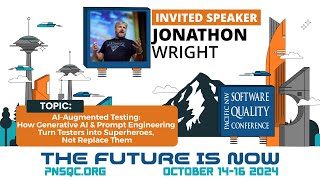 41mAI-Augmented Testing: How Generative AI, Prompt Eng Turn Testers Into Superheroes
 01h 02mPlatform Engineering in the age of Generative AI
 38mIntegrating Generative AI for Quality Eng. Into The Software Lifecycle
 30mAI-Augmented DevOps with Platform Engineering
 33mOperationalizing GenAI Applications with DevOps Practices
 58mIntegrating Generative AI into Modern Software Solutions
 27mTransforming Developer Platforms with Generative AI
 24mEmpowering the GitOps Future with AI