Digital Ethics in an Unethical Era

summary
Argument traces digital ethics from Norbert Wiener and cybernetics to Luciano Floridi’s information ethics and shows why infrastructure choices matter: monoliths give visibility while distributed systems with containers, orchestration, serverless and Terraform reduce it and introduce third‑party API risks. A Twitter poll (~700 replies) finds 70% had no formal ethics training, and Amazon facial recognition’s use by ICE is cited as a proximate‑harm example. Recommendations include stop moving fast and breaking things, mandatory yearly training, opt‑in privacy, independent algorithm review boards and designing to minimize technical debt and automated unaccountability.
AI-written summary · about
chapters (8)
- 0:00The importance of ethics
- 2:17Technologists' burden
- 3:36Lessons from legal and medical
- 8:15Defining digital ethics
- 12:23History of cybernetics
- 17:38Ethics in distributed systems
- 23:12Practical steps for improvement
- 27:58Addressing systemic bias
related talks
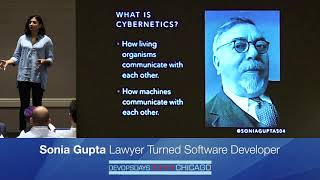 33mDigital Ethics in an Unethical Era:How to Not Ruin The World
 27mEthics in Computing: When Right and Wrong Stop Being Obvious Ethics in computing sounds like a fairly straight forward proposition at first glance
 37mEthics in Software Engineering - Should We Care
 47mThe Ethics of Software - some practical considerations
 50mBeing an ethical software engineer
 36mAn engineer's code of ethics
 45mFuture Ethics
 40mEthics in Computing