Open Source Licensing in a Business World

summary
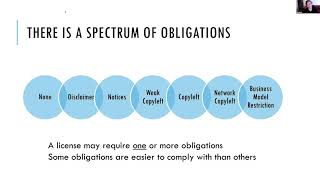
Four practical license buckets: permissive (MIT/Apache/BSD), copyleft (GPL/LGPL — GPLv2 tolerated, GPLv3 avoided), trialware/dual license (Redis ElasticSearch CockroachDB Terraform Graphana), and generally unsuitable (AGPL network contagion). Examples: statically linking libGMP (LGPLv2/GPLv3) can force an entire BSD project into GPLv3; Terraform and Graphana licensing changes create commercial‑license triggers. Tooling: use SPDX and SBOMs, run SCA scanners, feed results into Dependency Track or Mend, and audit outputs like cdxgen/Parlay for actionable remediation.
AI-written summary · about
chapters (10)
- 0:00Introduction to open source
- 0:45License categories overview
- 1:49Permissive vs copyleft licenses
- 3:18GPL risks and tracking
- 5:02Trialware and dual licensing
- 6:47AGPL and business impact
- 8:11Legal compliance importance
- 8:54Finding and tracking licenses
- 11:45Tracking compliance tools
- 13:07Acquisition and open source
related talks
 30mOpen Source Licensing: Use Versus Abuse
 01h 38mOpen Source Licensing: Types, Strategies and Compliance
 51mThe Impact of Leveraging Open Source
 57mWhat You Need to Know About Open Source—Trust Me, I'm a Lawyer
 42mOpen Source Licenses: Between Parish Wars and Radicalism
 01h 26mOpen Source Software Licenses and Business Models Explained
 48mWhat You Need to Know About Open Source - Trust Me, I'm a Lawyer
 41mHow to Choose an Open-Source License