“Disorganizing” Your SRE Organization

summary
Company redistributes reliability by embedding ops into the definition of done and turning incident lifecycles into reusable, CI‑style modules and playbooks. Responsibility is democratized, training and access are delivered, and automation covers 60% enrichment automated within six months and yields 85% of cases worth automating. The library of declarative workflows (triage, communicate, remediate) reduces detection and resolution times and enables nearly 90% of the team to own incidents end to end.
AI-written summary · about
chapters (9)
- 0:00Intro
- 0:44What I'm going to talk about today The impacts of WFH on the teams responsible for reliablety
- 2:22What were our challenges? . The aplity and innovation in how we build and ship software has increased velocity and fragmented knowledge
- 5:25Our Journey: Biggest Challenges - Training / Onboarding team members in a growing team
- 9:09Democratizing responsibility
- 18:37Our Journey: Getting Started 1 Month: On-call and playbook writing spread across developers
- 23:56Build to individual need + People have different preferences for interruptions, privacy, communication style
- 29:56Our Journey: 1+ Year In Playbooks as code allow uniform processes and don't fail to deliver
- 31:42Thoughts on how to get started Be open with your teams. Explicitly explain that the organization is embarking on a journey (to change its culture)
related talks
 38m"Disorganizing" Your SRE Organization
 35mThe Best SREs Seem to Be the Ones without an SRE Title—And What We Can Do
 45mClearing the Way for SRE in the Enterprise
 25mPitching SRE to your Senior Executives
 26mFrom Nothing to SRE: Practical Guidance on Implementing SRE in Smaller Organisations
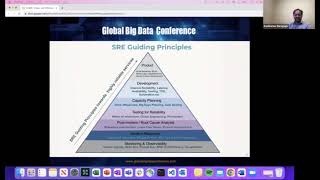 25mSRE Guiding Principles & Transformational Framework
 29mOvercoming SRE Anti-Pattern Roadblocks: Rebranding the Ops Team
 24mBeing Reasonable about SRE