Computing Using Physics; What Can AI learn from Analog Computing

summary
Direct demonstrations: a sheet of resistive conductive paper solves the same PDEs as airflow and was used for aerodynamics since the 1920s; fridge-sized patch-panel modular analog computer links integrators, multipliers and adders to solve ODEs in real time; iron‑crystal networks grow conductive paths under current and can be trained to respond to sound; modern efforts use in-memory phase-change matrix multiply to eliminate memory–CPU transfers (data moves cost 100–1,000× energy), prototype chips run ~1M‑parameter models, goal is billions of weights at toaster‑scale power.
AI-written summary · about
chapters (8)
- 0:00Welcome
- 3:56Analog computing history
- 18:03Modern analog for AI efficiency
- 24:27Embodiment in computing
- 33:13Hidden costs of power
- 44:30AI lessons from analog
- 59:49Q&A on planetary computing
- 1:08:24Closing remarks
related talks
 33mUnconventional Computing
 46mPhysical Computing, or How Software Meets Xmas Trees (and more)
 27mComputers for Super-Human AI
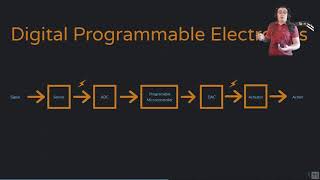 16mCeci N'est Pas un CPU Load
 50mComputer History RetroSpective: From Space Race to genAI with Live Demos
 55mComputing in the 1960s
 59mSockets, Sparks, and Magic Smoke
 32mA History of Computing, from the Loom to Babbage's Machine