Building Security Into Your DevOps Pipeline

summary
Claims a concrete integration: next‑generation firewalls wired into CI/CD with policy as code in git, identity‑anchored rules, and five coordinated controls (ID‑based access, selective TLS inspection, AI threat rules, alert optimization, CI validation). Rollout uses mirror traffic for 4–8 weeks, then 6–12 weeks to push gated inline enforcement, and 8–16 weeks for AI detections, with graduated enforcement (detect→throttle→challenge→block). Includes model‑extraction detection, prompt sanitization, PQC readiness pilots, and measured performance budgets so enforcement actually works without breaking production.
AI-written summary · about
chapters (9)
- 0:00Introduction and Overview
- 0:18The Challenge of AI Security
- 1:20DevOps and Security Tension
- 3:06Understanding AI Security
- 5:26Next Generation Firewalls
- 8:44Integrating Security into DevOps
- 15:17AI-Specific Threats and Protections
- 23:37Practical Rollout and Roadmap
- 25:20Conclusion and Key Takeaways
related talks
 36mBuilding Security Frameworks Into Your CI/CD Pipelines
 42mContinuous Security: Integrate security tools into your DevOps Pipeline
 38mSecuring your CI/CD Pipeline
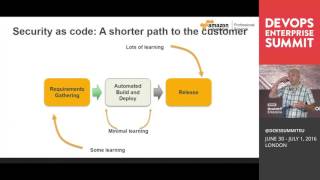 30mHandling Security Objections to DevOps
 43mSecurity in DevOps Strategies
 28mImplementing Critical Cybersecurity Controls in a DevOps Environment
 37mA Secure Continuous Delivery Pipeline
 29mSecuring Your Web Application Pipeline From Intruders