The Path to self-healing systems

summary
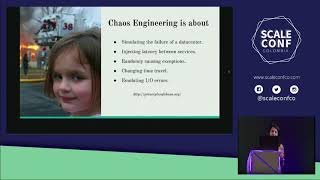
Covers using Chaos Engineering together with generic mitigations to improve system resilience and start building self-healing systems. Names Chaos Engineering and discusses generic mitigations (patterns for automated or repeatable fixes), how to combine them, what’s needed to get started, examples and action items for integrating both into a platform or methodology.
AI-written summary · about
chapters (19)
- 0:00Intro
- 0:26Preamble
- 0:50Agenda
- 1:29Chaos Engineering Manifesto
- 3:08What does Chaos Engineering do for us?
- 4:27TLDR; (Part I)
- 5:21How much resilience do we want?
- 10:03Proficiency in building Resilient systems
- 11:30TLDR; (Part II)
- 12:09Generic Mitigations - What are they
- 13:05So wait... is this a bad Software Engineering?
- 13:51Typical timeline of an outage
- 17:47So, what kind of Generic Mitigations do you have in mind?
- 20:36Is that it? Of course not
- 22:18TLDR; (Part III)
- 23:041 + 1 = 3 (?)
- 26:17Afterthought oand Action Items
- 29:58A platform / methodology to combine both?
- 30:12Thank you!
related talks
 33mChaos Engineering, how to increase resilience by injecting chaos
 27mChaos Engineering: The Path to Reliability
 40mNavigating the Unknowable: Resilience through Security Chaos Engineering
 28mChaos Engineering: Injecting Failure to Build Resilience in Systems
 29mThe Psychology of Chaos Engineering
 26mBreaking Systems for Resilience
 21mThe Psychology of Chaos Engineering
 48mChaos Engineering: The Path to Reliability