Classifying Software Energy Efficiency

summary
ISO 5055-3 and a derived Digital Energy Score (DES) are used to classify software energy efficiency into six taxonomy classes, based on a benchmark of 3,200 applications. The talk presents real measurements, describes remediation work that typically takes 30–40 person-days, and reports experimental results: up to 40% portfolio-level reductions (estimated €600 million annual savings), average DES reductions of 14%, and measurable impacts on OPEX, cloud consumption, and response times.
AI-written summary · about
chapters (16)
- 0:00Introduction
- 2:19Green software failures
- 5:11Digital sustainability norms
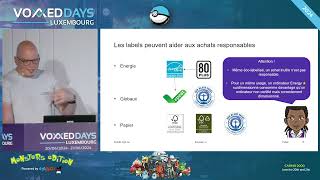
- 7:19Energy Star for software
- 9:29ISO 5055 quality
- 11:39Software energy benchmarking
- 13:47Certification and compliance
- 15:31Economic benefits
- 17:18Infrastructure savings
- 19:51Digital energy impact
- 21:18GreenOps in cloud
- 23:43Operational savings
- 25:31Sustainability KPIs
- 27:23Data-driven culture
- 27:45CSRD and digital sustainability
- 29:00Q&A
related talks
 57mSustainable Green Software development
 11mThe Principles of Green Software - How Green is Your Application
 30mPractical approaches to measuring software sustainability via tooling [...]
 34mCarbon Footprint–Aware Software Development
 19mDigital Systems & Energy Efficiency: Contradiction or Matter of Course?
 38mGreen software: How can tech contribute to worldwide sustainability effort?
 07mInterview
 50mResponsible computing: how about a survey of measurement tools?