Unlearning Toxic Behaviors in a Code Review Culture

summary
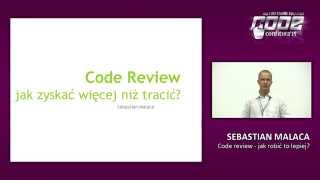
Argues that code reviews often harm more than help when reviewers pass off opinion as fact or unleash an avalanche of comments, gives concrete remedies: use linters, git hooks and CI to catch style and test failures, consolidate feedback, and take long debates offline. Shows examples of toxic moves (sarcasm, judgmental “why didn’t you just…”, emojis instead of words), recommends reviewer and review-seeker behaviors, and cites TeamCity Jenkins and GitHub hooks as tools that actually reduce noise.
AI-written summary · about
chapters (13)
- 0:00Introduction to code reviews
- 0:50Fundamentals of code reviews
- 1:49Benefits of collaborative code
- 3:20Identifying toxic behaviors
- 5:15Harsh feedback examples
- 6:41Communication pitfalls
- 8:09Addressing team toxicity
- 9:22Fostering positive culture
- 10:40Best practices for reviews
- 12:14Automating for better reviews
- 13:37Speaking up and self-growth
- 14:36The role of management
- 16:38Conclusion and final advice
related talks
 38mImplementing a Strong Code-Review Culture
 18mHow To Review Someone's Code While Not Being A Jerk!
 40mCode Review - How to Do It Better?
 11mTransforming Code Review into a Learning Tool for QA Teams
 01h 01mBetter Code Reviews FTW!
 46mCode Review: We Didn't Come Here to Suffer!
 09mThe Art of Giving and Receiving Code Reviews Gracefully
 23mDrama-Free Code Review!