Keynote: Become a Better Programmer by Using Words and Ideas From Casual Gaming
summary
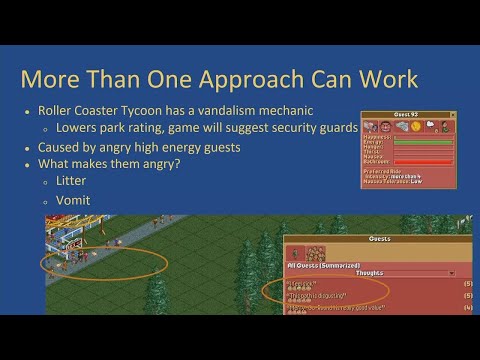
Compares casual-game mechanics — grinding vs farming, dailies and side quests — to work: meetings become daily housekeeping, side quests are resume-driven tool experiments (try everything by value, no heap, no loops, or use algorithm/constexpr exercises), and events like learning weeks alter reward structures. Gives concrete prevention examples from RollerCoaster Tycoon (benches, bins, security) as a shift left for user frustration. Warns about gamed metrics (ticket-count inflation), recommends delegating grindy tasks, tracking private metrics, and using community learning as on‑ramps.
AI-written summary · about
chapters (13)
- 0:00Casual gaming career parallels
- 3:12Goals with incomplete info
- 8:12Rewards and effort optimization
- 13:52Housekeeping tasks
- 21:21Events and seasons
- 28:12Side quests impact
- 33:54Grinding and farming in professional tasks
- 45:52Prevention vs cure
- 57:51Delegation in work
- 1:04:08Automating notifications
- 1:13:13Productivity secrets
- 1:19:31Choosing work tasks
- 1:20:37Conclusion
related talks
 57mHard truths and soft skills: 10 pieces of advice for novice game devs
 01h 18mKeynote: Steps to Wisdom for C++ Developers
 32mKeynote: Build skills through hobbies! Bring them to work!
 52mKeynote: Steps to Wisdom
 11mTips from Industry Vets – Julie Wotzko
 44mPlay! Or: How to Get Better While Playing
 54mLearning on Steroids (Without Sacrificing Your Personal Life)
 33mVideo Game Developers: Masters of Workarounds?