The **** we've seen

summary
Most incidents come from long‑running brownfield systems—about 80% legacy assets, <5% greenfield and ~15% modernization—where vulnerable code, out‑of‑date dependencies and misplaced secrets in source repos and logs create huge blast radii. Examples: a patching system left hosts unpatched for two years, a honeypot compromised in under six hours, and crypto miners that accidentally blocked ransomware propagation. Recommended actions are tested BC/DR plans, secure paths to production (scans, dependency checks), network segmentation, secrets management and executive ownership to enforce data minimization and remediation visibility.
AI-written summary · about
chapters (6)
- 0:00Start
- 9:18Blast Radius
- 10:30Organizational Boundaries
- 11:56Primary Task Focus
- 16:04Securing Your Path to Production
- 27:40Executive Ownership
related talks
 20mEvolving from patch management to risk mitigation
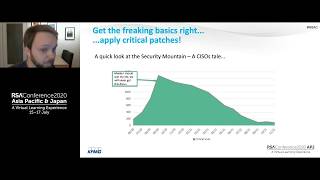 29mGet the Freaking Basics Right!
 35mMeasuring change: Responding to cyber material risk
 33mFrom Boardrooms to Polling Places: Securing Critical Infrastructure in 2024
 41mThe Divine and Felonious Nature of Cyber Security
 39mHard to Port! - A Snapshot of the Vulnerability Landscape in 2015
 46mApplication security from start to finish
 11mPreventing IT Firefighting with Better Infrastructure Security