Keynote: Upside Down

summary
Global disruption drives a claim that teams must rebuild around psychological safety so ideas survive stress; evidence includes hospitals where dry runs and open doors reduce surgical errors and nurses speak up. Google’s Project Aristotle finds five team keys (psych safety, dependability, structure/clarity, meaning, impact). Practical tools recommended are the OCEAN personality test, personal “pixel” manifestos and explicit feedback rituals; these methods aim to increase creativity, prevent mistakes and actually improve team performance.
AI-written summary · about
chapters (10)
- 0:00Introduction and context
- 1:20Addressing current crises
- 5:18Psychological safety
- 10:42Building high-performing teams
- 14:18Diversity and inclusion
- 18:54Mindful differences
- 24:31Mental models and communication
- 29:02Self-awareness and growth
- 33:20Personality traits in teams
- 39:00Conclusion and call to action
related talks
 36mPsychological Safety: Building fearless teams
 36mUnlock Your Team's Superpower - It's Not in Your Toolbox, It's in Your Head!
 22mUnleash Your Team's Potential Through The 4 Stages Of Psychological Safety
 22mPsychological safety: How to become a team that learns
 34mDiverse Leaders in Tech - Psychological Safety: Building Trust, Accountability, and Inclusion
 15mInfusing Psychological Safety into Your Teams
 28mCultivating a culture of Psychological Safety in Engineering
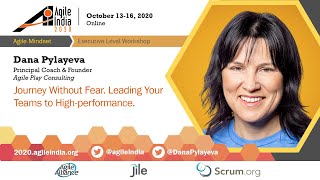 46mJourney Without Fear. Leading Your Teams to High-performance.