Beyond Vibe Coding: Building the Human Readiness Layer for AI-Native Software

summary
Argues that AI models are rarely the real bottleneck and that adoption fails from poor communication, low trust, slow decisions and people waiting for certainty. Introduces the Visible Framework (Voice, Identity, Spotlight, Inner work, Belief, Leverage, Elevation) and names three gaps: silence, failure to translate technical work to business value, and waiting for certainty. Recommends concrete practices: surface concerns sooner, link technical decisions to outcomes, and create alignment before committing.
AI-written summary · about
chapters (20)
- 0:00Human readiness for AI-native software
- 1:04Speaker background
- 2:30AI speed's human challenges
- 3:56Missing human readiness consequences
- 5:01Human skills bottleneck in AI
- 7:06Human readiness definition
- 9:11Major human readiness gaps
- 10:55Visible Framework for readiness
- 12:00Voice: Speaking up early
- 13:03Identity: Sharing expertise
- 14:27Spotlight: Making work visible
- 15:29Inner work: Mindset barriers
- 17:13Belief: Confidence under uncertainty
- 18:15Leverage: Collaboration & automation
- 18:59Elevation: Collective leadership
- 19:413 steps to improve readiness
- 20:22Immediate readiness challenge
- 21:03Final thoughts on AI-native software
- 21:45Q&A: Biggest readiness gaps
- 23:48Q&A: Trust in AI decisions
related talks
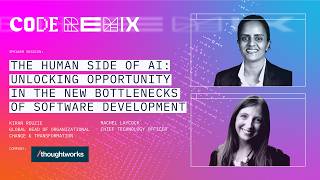 53mThe Human Side of AI: Unlocking Opportunity in the New Bottlenecks of Software Development
 47mFrom Zero to AIHero with Vibe Coding
 45mBuilding AI Fluency: Leading Teams Through the Learning Curve
 46mKeynote: The Right Vibe: The Role of Community in the Age of AI
 12mFrom Vibe-Coding to Fundraising: How AI Founders Stand Out in a Noisy Market
 42mFrom Vibe Coding to AI-Driven Society
 38mVibe-Coding Your Way into a Security Nightmare
 43mCode Review in the Age of Vibe Coding