When performance matters: running a real-time computer vision pipeline

summary
A real pipeline claims a hard 300ms end to end and shows what actually meets that bar: OpenCV for capture and preprocessing, YOLO models for player and ball, ONVIF commands to a PTZ camera, and a local server for bandwidth and latency. Debugging reveals a multiprocess Queue bottleneck that accumulates frames into 8 second delays and is replaced with ZeroMQ publisher/subscriber, bringing runtimes down toward ~1 second in practice.
AI-written summary · about
chapters (8)
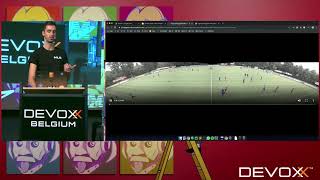
- 0:00Automated sports camera intro
- 2:13System architecture & latency
- 7:37Monitoring with custom logs
- 14:14Debugging frame latency
- 18:03Latency per processing step
- 23:02Real-world testing & deployment
- 25:13Business context & future
- 29:20Q&A on detection
related talks
 18mChain-speed inference for Computer Vision Pipelines
 18mDeploying ML solutions with low latency in Python
 09mLightning Talk: Streaming and Processing Edge Vision Data in Real Time
 53mProcessing streaming video for continuous monitoring
 24mBeyond the Frame: Using Computer Vision to Unlock the Potential of Video Data
 28mChasing birds with code
 51mVideo Analytics for Football games
 20mComputer Vision at the Edge with OpenVINO