Plant Factory: Sensor, Data, Machine Learning

summary
Claims an automated pipeline that places crops, schedules work, and optimizes environment using real sensor streams and vision‑based yield estimates; uses computer vision yield predictions and sensor features to build a discrete assignment matrix over crops and positions solved with Google OR-Tools to minimize resource and spoilage costs. Notes 70% freshwater agricultural footprint as motivation, daily experiment cycles, and a working prototype that reduces manual planning but relies on human inputs and reporting tests while keeping runtime bounded.
AI-written summary · about
chapters (9)
- 0:00Introduction
- 3:39Plant factories future
- 6:30Smart farming automation
- 9:38Crop placement optimization
- 13:41Balancing constraints costs
- 14:45Machine learning in system
- 16:56Team collaboration
- 18:01Reporting KPIs
- 19:10Automating changing processes
related talks
 25mFrom seed to store: AI to optimize the indoor farms of the future
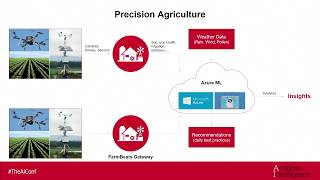 10mUsing Machine Learning to Reduce World Hunger
 28mHarnessing Machine Learning to Improve Agricultural Resilience in Africa
 38mBetter Farming and Better Eating Thanks to Software: Tech Serving Agriculture
 26mAI, big data, digital and future of agriculture
 20mRobots will be running the farm
 07mAI Infrastructure Transforming Modern Agriculture
 31mBridging IoT and Machine Learning with Python for Sustainable Agriculture