Python bad cryptography habits

summary
Covers concrete mistakes and fixes: common teams ship code that uses verify=False in requests to skip TLS validation, accept self signed certs in staging that leak into production, and enable *TLS 1.0/1.1 support which exposes known MITM attacks; recommends certificate pinning by supplying the server cert or key, use cloud KMS instead of embedding keys in env or git, and generate nonces and secrets with Python’s cryptographic RNGs (secrets or cryptography) not time based random. Shows actual library calls and deployment pitfalls and how to change them.
AI-written summary · about
chapters (9)
- 0:00Introduction
- 5:13Python cryptography intro
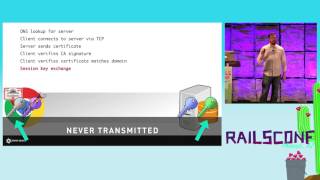
- 8:03What is TLS and how it works
- 14:41Self-signed cert problems
- 18:18TLS versions and risks
- 23:20Environment variables and crypto risks
- 26:13Importance of random numbers
- 31:14Summary and recommendations
- 31:40Q&A
related talks
 44mCryptography Pitfalls
 34mSecure Python Development: Tips, Tricks, and Tools
 28mMastering Cryptography in Python: Best Practices and Myth-Busting
 54mPython Security Best Practices Against Vulnerabilities
 39mPython Security & Cryptography
 31mBest Practices for Cryptography In Python
 36mThe Art & Craft of Secrets: Using the Cryptographic Toolbox
 59mCommon Python Coding Mistakes