Fireside Chat
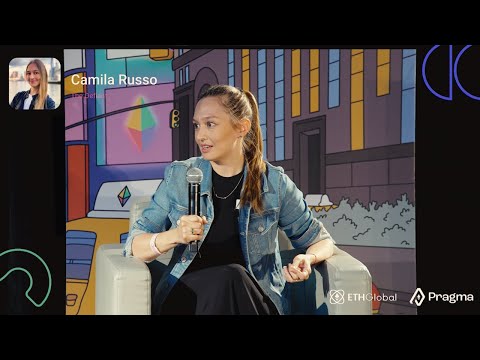
summary
Argues that many projects run as decentralization theater—teams keep unilateral upgrade switches, few validators, and millions (sometimes hundreds of millions) of dollars are exposed—so decentralization claims are often performative. Cites governance data where one percent controls >50% of delegated votes, calls token voting plutocratic, and says regulators already see through the charade. Announces the DeFi League and a public dashboard of risk metrics (TVL, upgrade controls, token distribution, audit status) to let users judge protocols; advises starting with longest‑running, high‑TVL apps.
AI-written summary · about
chapters (21)
- 0:00Intro to Camila Russo and crypto problems
- 1:13Why Camila wrote “Crypto Is a Theater”
- 2:14The risk of decentralization theater
- 3:34How protocols maintain central control
- 5:03Why true decentralization actually matters
- 6:58Governance theater and token voting flaws
- 8:24Plutocracy and one-token-one-vote issues
- 9:39Why fake governance is worse than honesty
- 10:54Community theater in NFTs
- 12:09DeFi’s musical chairs problem
- 13:37No one-size-fits-all for governance
- 14:22Introducing the DeFi League initiative
- 15:52Making DeFi risk metrics public
- 16:24Why decentralization theater happens
- 17:49Regulators aren’t being fooled
- 18:25Intentional misdirection vs real constraint
- 20:06Regulatory pressure hurting US innovation
- 21:16Advice to DeFi founders on building better
- 22:39Why risky experimentation still matters
- 23:58What users can do to protect themselves
- 25:54Final thoughts and DeFi League launch
related talks
 41mSecurely Scaling Decentralized Governance
 37mBuilding for Big V Value
 23mSecurely Scaling Decentralized Governance
 21mThe Centralized Risk of DeFi
 22mGrowing & Securing Networks What’s Next for Onchain Governance
 52mThe Ethics of Web3
 39mThe challenges of building, scaling and securing DeFi protocols
 22mRethinking Legitimacy, Agency, and Bureaucracy in DAOs