Low-code development with APEX

summary
Demo of a production vaccine-surveillance system built with Oracle APEX and ORDS on the Oracle database that goes live December 13, 2020 and handles over 10 million registrants and 125 million check-ins. Architecture is database-forward with a messaging service for SMS reminders, metadata-driven APEX apps for mobile surveys and back-office dashboards, and CDC uses reports to contact severe cases and populate the VAERS pregnancy registry, proving the solution scales and works.
AI-written summary · about
chapters (18)
- 0:00Intro
- 0:52Application Development in the Enterprise
- 4:20What is Low Code?
- 6:31Why use Low Code?
- 9:23Native Low Code Platform of Oracle Database
- 10:08APEX Approach
- 11:27Rapid Application Development
- 12:14Modernizing Oracle Forms Applications
- 12:49Extending Enterprise Systems
- 13:22Mission Critical Enterprise Systems
- 14:07What does APEX do for you?
- 15:58Low Code APEX
- 17:0338x Faster Development Time Time and Motion Study: Reacts vs. Low-Code APEX
- 19:08Problem Statement
- 20:29Goals
- 21:03Timeline
- 22:36Architecture
- 23:47Why Oracle APEX?
related talks
 30mCloud native low code apps with Oracle APEX on Oracle Autonomous Database
 53mWhen Low Code Discovered APEX
 14mAccelerate Scalable, Secure Apps with APEX and GenAI
 19mFrom zero to hero: Rapidly building a mobile F1 app using Oracle APEX
 23mBuild Low-Code AI-Powered Apps with APEX
 15mUsing Oracle Tech for Digital Inclusion in Rural Areas
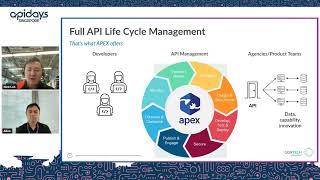 20mEnabling a more integrated government through APIs
 28mAPI-driven development and low-code REST APIs