Preparing for Constant Change With Quantum Agility

summary
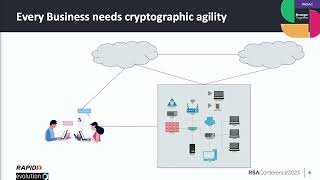
Quantum threatens common encryption within a few years and one quantum machine can find a flaw that existing cloud CPUs then use to decrypt petabytes of archived data; migrating to NIST quantum-resistant standards is underway (four candidates in NIST’s stage‑4) but rollout varies greatly: startups ~2 years, mid‑size 5–8 years, governments 10–15 or longer. Practical fixes shown include modular crypto wrappers, vendor appliances that hot‑swap algorithms (IBM storage modules), and open projects like liboqs, but re‑encrypting large datasets and coordinating simultaneous upgrades remain the bottleneck.
AI-written summary · about
chapters (15)
- 0:00Introduction
- 1:40The Enigma
- 4:55What is Quantum
- 12:02Current State
- 13:44Standards
- 14:20Signatures
- 14:41Encryption Standards
- 20:27What is it
- 25:55What should I do
- 27:45Quantum Agility
- 28:00Where to start
- 29:26Libre OQS
- 30:16Big Data
- 30:51Current State of Technology
- 35:03Trust Issues
related talks
 20mCryptographic Resilience in the Quantum Era
 21mCybersecurity in the Age of Quantum
 19mThe Quantum Threat – When Should We Act and What Should We Do?
 07mEverything You Trust Online Could Break — F5 Labs on Q-Day
 43m📙 Is Q-Day Worse than Y2K? Strategies for Surviving the Quantum Threats
 48mPreparing for Quantum: A Pragmatic Approach towards Readiness
 40mWhy Quantum Safe Encryption Is the Next Y2K and How to Be Prepared
 19mAgile is the new black – Why Preparing for Postquantum Crypto also Matters to You!