Braille.js. Bringing together accessibility, JavaScript and IoT

summary
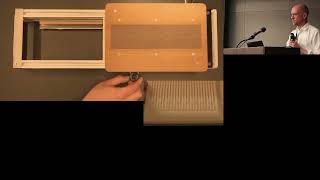
Prototype claims a working, low-cost refreshable Braille cell built with JavaScript and IoT tools: a browser + HTTP Node server drives an Arduino Uno via Johnny-Five, a 3D-printed enclosure plus six solenoids per cell produces tactile pins, and a webcam shows the live demo. One-cell prototype prints characters every two seconds, scales to multiple cells (claim: a 12-cell setup for ~$40), and next iterations replace solenoids with micro-steppers for accuracy.
AI-written summary · about
chapters (6)
- 0:00Start
- 1:13Accessibility refers to the design of products, devices, services, or environments for people who experience disabilities.
- 11:50JavaScript? MEH!
- 12:20Use the Node.js ecosystem.
- 13:54How to pop a pin?
- 19:45Cheaper.
related talks
 24mA11Y IRL (Accessibility in real life)
 31mA11Y IRL (Accessibility in real life)
 13mMagnePins: A Modular, Affordable, and DIY Refreshable Braille and Tactile Display
 48mEmbedded Javascript, HTML5 and the Internet of Things
 37mJavaScript On Microcontrollers
 44mIntroduction to JavaScript Robotics
 12mIt’s skeuomorphin’ time!! The enduring physicality of braille!
 20mHybrid-Brailler: Combining Physical and Gestural Interaction for Mobile Braille Input and Editing