OpenID Connect In Depth
summary
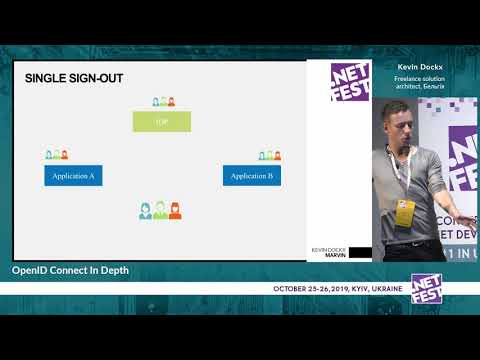
Shows Single Sign-On between Angular and ASP.NET Core MVC and implements automated single sign‑out using IdentityServer4 with both front‑channel and back‑channel approaches, proves reference tokens (stored in the DB) let immediate revocation while JWTs avoid IDP roundtrips, and exercises the revocation endpoint and persisted grants. Builds a custom grant implementing the token‑exchange standard so API1 obtains an access token for API2 that preserves the original user sub; demos run end‑to‑end and succeed.
AI-written summary · about
chapters (7)
- 0:00Intro
- 1:40COMING UP
- 3:48SINGLE SIGN-ON
- 15:43SINGLE SIGN-OUT (SERVER, FRONT CHANNEL)
- 17:34SINGLE SIGN-OUT (USER AGENT, FRONT CHANNEL)
- 27:33SELF-CONTAINED VS REFERENCE TOKENS
- 40:29API TO API ACCESS ON BEHALF OF THE USER
related talks
 51mAuthentication and Authorization in ASP.NET Core 2
 01h 03mIdentity Server 4 with Angular and ASP.NET Core
 31mAuthentication with OpenID Connect in Angular Applications
 14mIntroduction to Using OpenID Connect on ASP.NET Core
 59mThe whirlwind tour of Authentication and Authorization with ASP.NET Core
 57mBuilding Clients for OpenID Connect/OAuth 2-based Systems
 58mLet's talk Auth
 39mSecuring your apps with OAuth2 and OpenID Connect