Linux Container Performance Analysis

summary
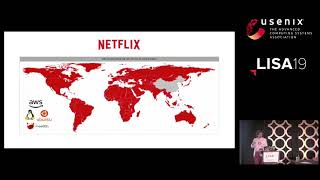
Describes Netflix Titus as a runtime that launches 1,000,000 containers in one week and uses Linux 4.9+, Intel snap and Netflix Vector/Atlas for metrics. Shows concrete failures: perf and many tools are not namespace aware so symbol map files must be copied or perf run from host with perf record --cgroup or containers started with --cap-add SYS_ADMIN to profile. Demonstrates kernel tracing with BPF/BCC and ftrace for overlayfs and scheduler latency, a docker PS namespaces script to map PIDs, and practical diagnostics for CPU caps versus shares.
AI-written summary · about
chapters (23)
- 0:00Intro
- 1:48Take Aways
- 4:01Current Titus Scale
- 5:04Container Performance @Netflix
- 8:21Linux Containers
- 9:39CPU Shares
- 13:10Container OS Configuration
- 14:34Analysis Strategy
- 16:57Host Analysis Challenges
- 18:393.1. Host Physical Resources
- 20:18USE Method: Host Resources
- 24:34docker stats
- 26:54nsenter Wrapping
- 28:14perf: CPU Profiling
- 30:05CPU Flame Graphs
- 32:283.3. Let's Play a Game
- 32:42Game Scenario 1
- 34:08Methodology: Reverse Diagnosis
- 36:40Guest Analysis Challenges
- 38:35Metrics Namespace
- 41:38Docker Analysis & Debugging
- 42:19Summary
- 42:30References
related talks
 13mPerformance and Energy Efficiency in Docker
 45mNetflix's success: Combining collaboration, hardware monitoring & AI
 33mLinux Container Internals
 41mLinux Systems Performance
 23mLife of a Container
 31mScaling a Distributed Container Management System: Diego Performance
 50mThe state of container security
 48mScale and Performance Testing of Kubernetes: Answers for Specific Applications