Rethinking frontend architectures with data layers

summary
Argues that react server components plus GraphQL eliminate extra server-to-API network hops by running queries in-process, reducing waterfalls and security surface; claims teams past ~10 engineers benefit and cites “about 80/20” of client data needing aggregation/transformation. Shows open‑source fuse (Fuse.js) that generates a GraphQL layer, adds /api/fuse, and demos npm/pnpm setup. Demonstrates running queries with await execute inside server components (no network call) and a working live demo.
AI-written summary · about
chapters (6)
- 0:00Introduction and motivation
- 3:10React server components challenges
- 7:28Why GraphQL fits server components
- 10:58Fragment composition benefits
- 15:33Live demo setup
- 22:40Demo execution and summary
related talks
 38mThe Front End Architecture Revolution
 31mReimagining the frontend-backend divide thanks to GraphQL
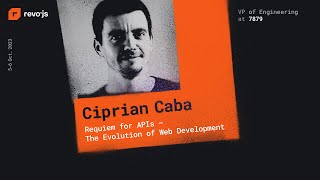 28mRequiem for APIs - The Evolution of Web Development
 20mColocating & Composing Data Dependencies with Fragments
 18mIs a GraphQL BFF Necessary in a Server Side React World (RSC, SAs)?
 23mMicro-Frontends Performance and Centralised Data Caching
 45mReact Server Components: Fad or Real Progress?
 31mReact Server Components Elevating Speed, Interactivity, and User Experience