Closing Keynote
summary
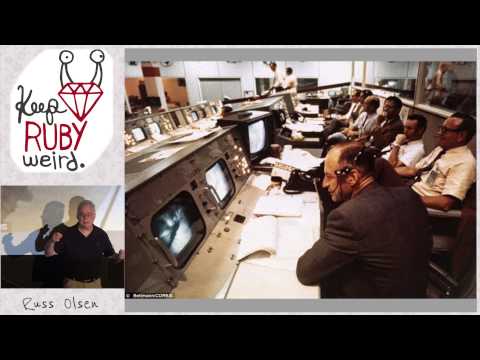
A fast-paced account of Apollo 11 names concrete failures and fixes: Ranger probes fail six times before Ranger 7 returns pictures, Gemini trains crews, Saturn V and the Apollo lunar module (the Eagle) work despite a 1202 program alarm and later a 1201 repeat, with engines shut down by checklist and a blinking contact light. Surprising counts recur: about two million parts across vehicles, 95% fuel used before landing, and a heart rate spiking to 150. The claim: hard engineering plus trust and leadership makes an apparently impossible landing succeed.
AI-written summary · about
chapters (25)
- 0:00Apollo story introduction
- 1:271969 moon race summer
- 6:26Kennedy's moon deadline
- 9:38Impossible project start
- 11:43Ranger crash-and-learn
- 14:32Gemini moon training
- 16:57Saturn V rocket building
- 18:02Apollo 1 fire tragedy
- 19:27Lunar module risky design
- 22:00Final descent ten minutes
- 24:51Radio failures and alarms
- 28:22Program alarm 1202
- 31:09Armstrong sees moon place
- 33:16Boulder field critical choice
- 36:47Thirty seconds fuel left
- 37:52Contact light first words
- 39:15Shutdown checklist tranquility
- 40:41Global shared joy moment
- 42:54Little things kill projects
- 47:12Trust and leadership teams
- 48:36Leadership over heroics
- 50:42Apollo unanticipated effects
- 51:46Earthrise photo environmentalism
- 53:34Apollo ultimate lesson
- 56:25Challenge to inspire next
related talks
 39mLeadership Lessons From The Apollo Program
 01h 08mSmall Steps, Giant Leaps: Engineering Lessons from Apollo
 50mLearning in Production (or Why the Apollo 11 Landing Nearly Failed)
 30mSoftware Development Lessons from the Apollo Program
 55mSpace Shuttle
 29mSoftware Development Lessons from the Apollo Program
 45mMars or Bust: Learning from our Mistakes
 48mDay 1 Closing Keynote: Skunk Works