Starting a Blog

summary
Step-by-step blueprint for a working blog: use Jekyll on GitHub Pages or a managed static generator, buy a custom domain, aim for 300-word minimum posts but target 700–1,000 words, and measure with Google Analytics. Expect builds around six seconds (Hugo compiles thousands of pages <1s), host cheaply (DigitalOcean ~$5/month or free CDN hosts), and get most readership from 90% organic search. Automation examples: a tiny blog promoter app tweets from RSS, a Thor command tracks a 77‑day content backlog, and Disqus handles comments.
AI-written summary · about
chapters (11)
- 0:00Introduction
- 1:34Branding, add value, how to find value with research
- 8:40Be engaged with your community
- 10:41Write on a schedule
- 14:05Bots matter, too!
- 17:55Performance. mobile, analytics
- 20:10Beginner bloggers
- 25:13Intermediate bloggers
- 29:47Advanced bloggers
- 45:26Summary
- 48:50Questions and Answers
related talks
 54mUsing GitHub to Power Up Your Static Sites
 32mThe Evolution and Future of Content Publishing
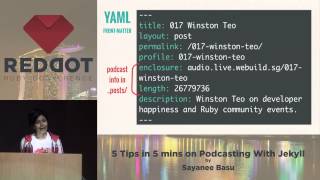 05m5 Tips in 5 mins on Podcasting With Jekyll
 45mHow to Get Started in Business Blogging (and make money from it)
 59mBuilding a Better GitHub Pages Experience Using Azure Services, How Hard Can It be?
 05mBecoming an R blogger
 21mBlogging for the Tech Professional
 24mGitHub Pages Reimagined: Deploy Your First Website Without Leaving Your IDE