Software design

summary
Argues that software design means converting models and documents into working code by keeping implementation predictable and loosely coupled, with clear boundaries between UI state and UI logic, and by building reusable, extendable components to eliminate duplication. Shows concrete techniques: identify coupling hotspots, refactor duplicated functions into shared modules, model state transitions before wiring UI, and uses JavaScript Summit Telegram and JavaScript Armenia groups as follow-up resources.
AI-written summary · about
chapters (6)
- 0:00Introduction
- 1:15Software design basics
- 5:09Technical depth importance
- 11:05UI and state management
- 14:11Code duplication issues
- 18:03Conclusion and Q&A
related talks
 49mSoftware Design for the Soul
 53mSoftware Design: Beyond Boxes & Lines
 57mCore Software Design Principles for Programmers
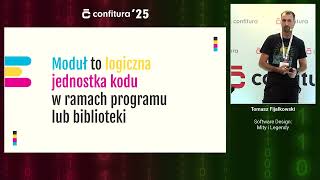 01h 01mSoftware Design: Myths and Legends
 41mThe lost art of software design
 58mWhat Is Software Design and How Can We Do It Well?
 47mExpressing Design in Code: Architecturally-Evident Coding Patterns
 35mReviving the art of software design