Building modern web-applications with Hasura's GraphQL engine

summary
Demo builds a Vue frontend talking to Hasura’s GraphQL engine on Postgres, deployed from a Heroku template that deploys in ~10s and auto-adds Postgres. The live demo creates UUID primary keys, movies and scenes tables, adds a foreign key relationship, and shows a subscription updates without reload when a movie is inserted. Mutations, Apollo client in‑memory cache vs WebSocket subscriptions, row/column permissions, remote schemas/joins (example: Stripe via OneGraph) and serverless triggers/actions are implemented and shown working. Hasura advertises Haskell speed and free core usage.
AI-written summary · about
chapters (26)
- 0:00Introduction
- 0:24About me
- 0:42Free time
- 1:13I tried it myself
- 1:24Agenda
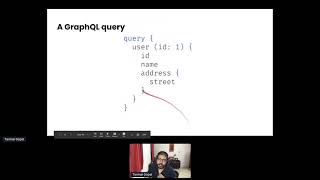
- 1:59GraphQL
- 2:25Nested Resources
- 3:48Rest vs GraphQL
- 4:04Rest Endpoints
- 4:21Rest Graft
- 4:50Rest Example
- 7:14Authentication
- 9:03Viewing the app
- 13:34Adding scenes
- 17:21Schemas
- 17:46Business logic
- 19:17Recap
- 19:35Apollo Client
- 20:42GraphQL QL
- 22:57Remote Joints
- 23:18ThirdParty Services
- 23:40Centralized Access
- 24:17Use Cases
- 24:57Zero Authentication
- 25:16Stripe
- 28:01Community
related talks
 46mBuilding modern web-applications with GraphQL & serverless Ruby
 28mModernizing App Development: Planet-scale GraphQL & Distributed SQL
 05mGraphQL for Web and Mobile Apps Made Simple
 32mModernize development and activate legacy data with GraphQL
 17mHasura: a GraphQL back-end in minutes
 15m0 to 100: A GraphQL tutorial
 51mAccelerating Application Development with GraphQL Data Mesh
 18mEmpowering Kubernetes Workloads with GraphQL