I’ve finally seen the light, the future is a graph

summary
Argues that GraphQL serves as a lightweight integration layer that replaces brittle point‑to‑point connectors and extra ETL/ESB systems, cites the surprising industry averages of 140 SaaS apps (up to 300 for large orgs), explains GraphQL normalizes JSON via a strongly typed schema and mediates with resolvers, and describes a built product called Universal Data Graph that is a low‑code designer which supports REST GraphQL Kafka and SOAP, wires resolvers automatically, plugs into API management (Tyk) and is reported to work in minutes.
AI-written summary · about
chapters (9)
- 0:00Future of graphs
- 1:07System complexity challenges
- 4:16Cost of SaaS applications
- 8:31Point-to-point integrations fail
- 12:03Intermediary services path
- 13:50GraphQL as integration layer
- 17:43Third-party API limitations
- 19:30Universal Data Graph solution
- 20:56Q&A
related talks
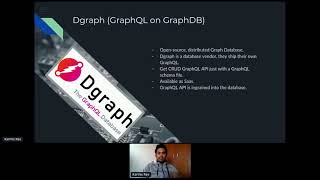 23mOpen Source, Graphs and GraphQL: The next frontier of modern applications
 33mGraphQL is more than a Typed System
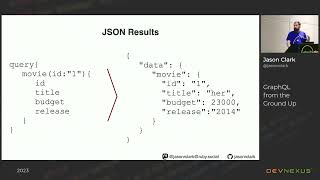 55mGraphQL from the Ground Up
 35mGraphQL in the Enterprise
 13mGraphQL for people who don’t need it
 55mGraphQL - APIs the New Way
 28mExploring GraphQL
 26mKeynote: Apollo's Journey with GraphQL: Transforming Enterprise APIs for the Future