Accelerating Machine Learning DevOps with Kubeflow
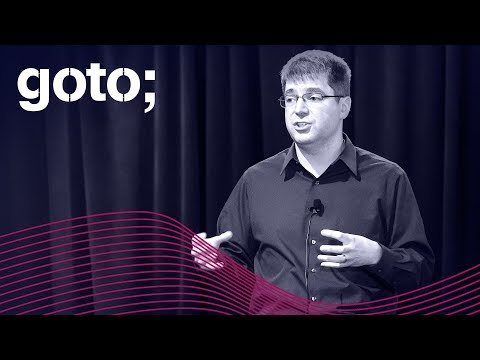
summary
Shows an on‑premise Kubeflow pipeline that downloads fashion‑MNIST, preprocesses 60,000 training and 10,000 test images, trains a model to ~0.86–0.87 accuracy, evaluates it and pushes the model to TensorFlow Serving via a custom REST wrapper. Uses MiniKF on a laptop (VirtualBox), TFJob to manage distributed TensorFlow (IP/port propagation), and MinIO S3 to shuttle large artifacts between pipeline steps. Demo works end‑to‑end but notes insecure defaults, image supply risks, and enterprise integration caveats.
AI-written summary · about
chapters (26)
- 0:00Introduction
- 0:26Show of hands
- 1:21Agenda
- 2:30Who am I
- 3:53City Scholars
- 5:06The Problem
- 7:02The Data
- 8:26The Doctrine Community
- 9:15Other stuff to do
- 9:33Docker
- 12:26Challenges
- 14:06Kubeflow doesnt know
- 14:56Everything starts wide open
- 15:48What is Kubeflow
- 17:48Secure Jupiter Notebooks
- 18:35TF Job
- 20:02Fraying Attributes
- 23:15MiniKF
- 25:21Demo Architecture
- 29:58User Interface
- 31:22Pipeline Dashboard
- 32:12Pipeline Demo
- 35:58Running a Pipeline Demo
- 38:04Pipeline Code Walkthrough
- 42:13Prediction Walkthrough
- 43:37Additional Content
related talks
 51mMachine Learning using Kubeflow and Kubernetes
 39mOperating Deep Learning Pipelines Anywhere Using Kubeflow
 54mScaling Machine Learning Pipelines in Cloud
 42mKubernetes for Machine Learning: Managing and Scaling AI Workloads
 46mDeploying scalable Machine Learning models with Kubernetes
 31mKubernetes for Machine Learning: Managing and Scaling AI Workloads
 22mThe Containerization of Machine Learning: TensorFlow: Kubernetes, and Kubeflow
 39mDeploy your ML Workloads on Kubernetes with Kubeflow