Interview with
summary
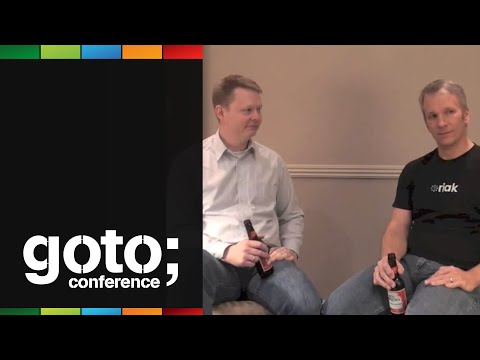
Conversation explains why Erlang/OTP plus Riak favor key-value model and operational simplicity: Riak targets availability first, recommends a five-node minimum because it writes multiple copies, and reduces DBA overhead so teams can ship fast. Adoption story shows Ruby for prototyping, Erlang for stateful, highly available services, developers-on-call shaping architecture, and data migration costs driving upfront storage choices; concrete lessons include preferring simple, transparent systems that are easy to debug and willing to replace components that don’t work.
AI-written summary · about
chapters (9)
- 0:00Introduction
- 1:51Large-scale systems for devs
- 4:45Operations and database management challenges
- 9:02Innovation vs simplicity
- 12:56Customer needs beyond buzzwords
- 16:05Erlang and Riak experience
- 20:21Ruby vs Erlang approaches
- 23:08Evolving real solutions
- 26:18Erlang frameworks value
related talks
 28mAn introduction to Riak
 39mUsing Erlang, Riak and the ORSWOT CRDT at bet365 (...)
 40mOpen Riak how we gained from leaning on the BEAM
 43mPolyglot Paralellism: A Case Study in Using Erlang and Ruby at Rackspace
 37mFrom NoSQL to Mo' SQL - Adding Structure and Queriability to Riak
 31mRiak's Rebirth
 37mDiabolic Database Design
 32mPolyglot: When Ruby isn't enough or even sane