An Operating System in Go

summary
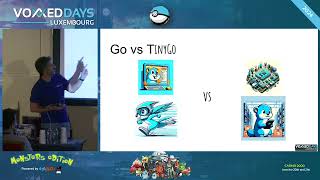
TinyGo compiles Go for microcontrollers and can run without an OS by targeting bare metal hardware; a paper reports TinyGo binaries on a Raspberry Pi Pico are 3.5× smaller than Rust/C but about 1.5–2× slower, while another study on ESP32 finds TinyGo matches C’s speed and shows no jitter versus FreeRTOS. Working components include multicore goroutine support, a userspace networking stack (Alneto) on MCUs, and practical tooling like print allocs revealing three startup allocations for a blinky program.
AI-written summary · about
chapters (13)
- 0:00Introduction
- 1:08Understanding Goos and syscalls
- 4:18OS hidden role
- 5:23Bare metal Go proposal
- 7:53Embedded gophers
- 10:21Why remove the operating system
- 11:23Go bare metal performance
- 13:48TinyGo vs FreeRTOS
- 16:16TinyGo features
- 18:03Five years embedded Go
- 20:30Heap allocations in TinyGo
- 21:56Embedded Go resources
- 22:40Conclusion