Go Back To The Future

summary
Chronological tour shows working systems: an RTX 470 laptop runs a Unet face detector via GoCV and CUDA to guide a DJI T drone controlled by a DualShock 4 and UDP with FFmpeg piping — battery life ~9 minutes and demo succeeds after a reboot; Goot (nearly 9,000 stars) and Gobot handle robotics; TinyGo (about 15,400 stars) runs microcontroller flight controllers, keyboards and talking-head servos; WASM Vision bundles OpenCV/FFmpeg/GStreamer into a static binary and runs processors in TinyGo, Rust or C; a local LLM+Piper TTS panel uses MQTT and LangChain Go.
AI-written summary · about
chapters (10)
- 0:00Introduction and thanks
- 1:00Go’s origins and early history
- 3:27Hardware and embedded systems with Go
- 7:25Demo: Video drone with GoCV
- 17:06Microcontrollers and TinyGo
- 21:06WebAssembly and Go
- 23:35WASM Vision demo
- 33:54Future of Go and AI takeover
- 43:07Demo: Talking Heads from 2053
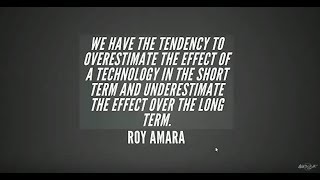
- 52:31Future of technology and Go