Patterns & Practices of Implementing Event-driven MicroSvc...

summary
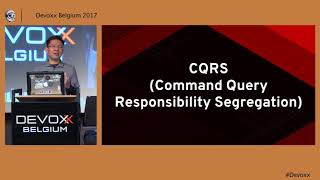
Explains why distributed data breaks ACID across service-owned databases and gives concrete patterns to fix it: use Event Sourcing to record every state change with snapshots to avoid long replays, build denormalized query models with CQRS for eventual read consistency, and coordinate multi-service transactions with sagas that run compensating actions on failure. Recommends tiered comms: synchronous request response for customer-facing paths and asynchronous brokers like Kafka plus tracing (Jaeger) for backend workflows, and considers hybrid serverless limits.
AI-written summary · about
chapters (16)
- 0:00Introduction and overview
- 0:51Monolithic architecture problems
- 3:15Microservices benefits and autonomy
- 7:30Domain driven design basics
- 12:45Distributed data challenges
- 15:35CAP theorem and eventual consistency
- 16:58Event driven microservices explained
- 19:48Event sourcing fundamentals
- 24:20Event sourcing benefits and drawbacks
- 27:50Monolith vs microservices trade-offs
- 29:16CQRS pattern explained
- 33:10Saga pattern for consistency
- 37:40Communication patterns in microservices
- 43:15Serverless microservices integration
- 47:46Further reading and resources
- 49:09Q&A session
related talks
 58mImplementing Event-driven Microservices
 47mEvent-Driven Microservices = Microservices Done Right
 46mMicroservices Data Patterns: CQRS & Event Sourcing
 42mCreating event-driven microservices: the why, how and what
 01h 25mBuilding microservices with event sourcing and CQRS
 56mDeveloping Event-driven Microservices w/Event Sourcing and CQRS
 51mMicroservices Data Patterns: CQRS & Event Sourcing
 17m7 Reasons why your microservices should use Event Sourcing & CQRS