Cooperation and Inclusion through Open Source

summary
Munich recounts a failed desktop migration — limox failed — because change management and on‑premise desktop focus clash with bureaucratic rigidity, but keeps concrete wins: a citywide daycare planning system is deployed, a workflow engine called digibf automates processes, an inclus map for accessible public toilets launches with TU Munich, and an open source Factory (two employees) plus an Open Source Hub and a paid open source sabbatical program aim to scale contributions across a 1,000+ person IT organization and with partner cities.
AI-written summary · about
chapters (8)
- 0:00Introduction and background
- 3:32The rise and fall of LiMux
- 8:32Open source projects in Munich
- 11:24Public administration benefits of open source
- 13:28Cooperation with other municipalities
- 16:00Open source culture in public administration
- 21:22Munich’s open source initiatives
- 24:11Q&A session
related talks
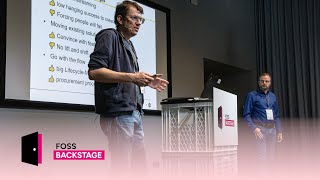 29mOSS Excellence: Munich's Journey towards Public Code
 30mArchitecting Civic Engagement: Consul Democracy and Munich
 05mConnecting Open Source Projects with Public Institutions
 27mOpen Source in Local Governments: Lessons from across the EU
 22mGerman Administration and Open Source
 54mHow the “Open Source Big 3” Want to Advance Open Source in Public Administration Together
 20mHow to make migrations to FOSS successful on the long term
 42mEat Your Own Dogfood - How Upstream Orientation Changed the Way We Work in Open Source Management