Vibe coding Rapidly Building Interactive Hedera dApps

summary
Shows a 3-step ideation → docs → vibe coding workflow that uses LLMs (GPT-4o3 or Claude) and IDE copilots (Cursor/Windsurf) to move from prompts to runnable Hedera EVM code. Live builds include an NFT media verifier (ERC‑721 mint + verified badge) and an on‑chain BI tool that generates SQL from natural language and an API indexing mint events. Demonstrates using Hedera templates, ethers.js vs mirror node tradeoffs, a ~30‑minute MVP build, hallucination mitigations, and Hedera’s fixed fees and 10,000+ TPS native token service.
AI-written summary · about
chapters (12)
- 0:00Introduction to Hedera & Vibe Coding Framework
- 0:36ETHGlobal Bounties: $3K Grand Prize + AI/EVM Tracks
- 1:043-Step Dev Process: Ideation → Docs → Implementation
- 2:02AI Brainstorming Demo: Generative BI On-Chain Idea
- 4:52PRD Creation: Product Requirements & Tech Stack
- 7:48Mitigating AI Hallucinations in Technical Docs
- 9:18NFT Media Verifier Demo: Smart Contract + Frontend
- 10:54Extending Project: Indexing NFTs via API
- 14:01AI Model Selection: GPT-4 vs. Claude for Planning
- 16:22Live Implementation: API for NFT Event Listening
- 19:35Q&A: Iterative Development & Error Handling
- 23:32Hedera Advantages: Fixed Fees & Native Token Service
related talks
 21mThe Ultimate Vibe Coding Guide for Hackathons
 30mVibe Coding That Actually Works
 49mVibe Coding for Production
 28mHow to Start Vibe Coding with Claude
 31mHedera Workshop - EVM, SDKs, and AI Agents
 21mHedera Workshop EVM, SDKs, and AI Agents
 17mCode AI Skills for Hackathon Builders
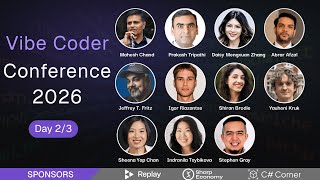 06h 03mVibe Coder Conference 2026 - Day 2