Next Generation Architecture

summary
Klarna replaces a single huge Erlang monolith that runs on two 2 TB machines and 1,600 processes with a two-tier system: soft‑realtime, no‑master architecture where Fred (front end) handles merchant API and staged risk checks and Bender (back end) processes settlement and analytics. Claims: 3 second risk assessment at scale and horizontal scaling via 5–10‑node Fred clusters. Stack uses Riak, RabbitMQ, Hadoop, Camel, PostgreSQL; migration proxies to the old system, one service (PDF generation) is live, rollout is ongoing.
AI-written summary · about
chapters (7)
- 0:00Introduction and background
- 1:44Business model and products
- 6:13Current architecture challenges
- 13:39Designing the new backend
- 19:03Technology stack choices
- 23:44Migration and implementation
- 29:43Lessons and Q&A
related talks
 38mMaintaining highly distributed services with Erlang: 20y experiences in fintech
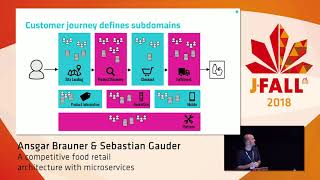 51mCompetitive retail architecture with microservices
 35mFrom Monolith to State-of-the-Art Banking
 38mFrom Monolith to Microservices at Zalando
 33mHigh availability by offloading work
 33mOptimizing Bank Operations: Design Patterns, NFR, and GenAI Fusion
 37mWhy it is harder to scale with stateful, data-driven systems
 35mBuilding a Bank with Kubernetes