Programmer's Bookshelf: Cliff Notes Edition

summary
Two practical book summaries that name numbers and show methods: the revised Pragmatic Programmer condenses advice into 100 short tips and urges treating skills like an investment portfolio (learn a language a year, rebalance regularly); Refactoring gives a stepwise loop—test change commit—and catalogs about 22 code smells with a Shakespeare billing example now shown in JavaScript. Expect concrete patterns, when to refactor or not, and actionable habits (fix the “broken windows,” rubber‑duck problems, prioritize tests) rather than vague morale.
AI-written summary · about
chapters (18)
- 0:00Start
- 5:00The Agile Manifesto
- 5:32The Pragmatic Programmer
- 8:06Diversify
- 8:49Software Entropy
- 10:35Pragmatic Approach Section
- 11:29Inadvertent Duplication
- 11:56Developer Duplication
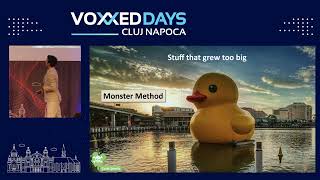
- 13:13Refactoring
- 15:15Code Archeology
- 15:44Readability
- 18:28The Decision To Throw It Out and Rewrite
- 19:14Code Smells
- 20:46Pattern Catalog
- 21:12Motivation Section
- 21:56Pragmatic Advice
- 24:45A Happy Programmer Is a More Efficient Programmer
- 25:17Step Number Two Keep Learning
related talks
 37mRefactoring: A developer's guide to writing well
 50mHow I'm Becoming a Programmer
 31mAre you a selfish programmer? - Refactoring (...)
 39mRead my code, or why writing readable code matters
 40mThe Best Programmer I Know
 57mUnlocking The Awesome Power of Refactoring
 56mClean Code, Two Decades Later
 01h 10mCoding for everyone