How We Moved from Android Studio to Slack

summary
Built a Slack agent called Phantom that reads threads, clones repos, applies fixes, runs linters/tests and opens PRs, running as per-job Docker containers with one image per platform and orchestrator talking to MCP. Production numbers: 378 jobs across 19 projects, 157 merged PRs (87 merged without edits), 60% of users non‑developers, and a 3.5 minutes median turnaround with an estimated cost of $0.50 per job. Authentication to external tools like Figma and iOS verification remain the biggest gaps.
AI-written summary · about
chapters (22)
- 0:00Introduction
- 1:15One-line bug costs
- 3:44Manual AI to bots
- 5:50Phantom bot in Slack
- 7:16Scaling challenges
- 9:42Rebuilding Phantom
- 11:07Auto project add
- 11:51New bug-fixing cycle
- 13:18Usage stats
- 15:23Cost savings
- 16:47Pull request outcomes and human involvement
- 19:20Unsolvable bugs
- 20:00Industry shifts
- 21:26Slack for bug fixing
- 22:09Build vs buy agents
- 22:29Phantom architecture
- 24:15Docker setups
- 25:21Validation loops
- 26:23Limitations and future
- 27:49Lessons learned
- 28:30Build or buy agent
- 29:21Q&A
related talks
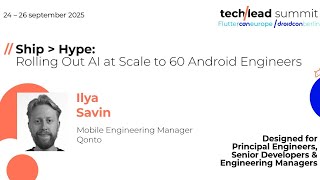 35mShip - Hype: Rolling Out AI at Scale to 60 Android Engineers
 38mMinions: One-Shot Coding Agents on a 30M-Line Codebase
 28mCollaborative Cloud Agents in Slack Threads
 25mDevOps for Android supercharged with AI
 16mShip Production Software in Minutes, Not Months
 42mAgentes en el monorepo
 38mOne Android Dev, Ten AI Teammates: Scaling Delivery With Claude Code
 36mMobile performance testing at Slack