Ignite Talks

summary
Common outages trace to DNS TLS and bad configs and can be diagnosed by layered health checks: external provider pings, internal host probes, and synthetic user flows with Playwright to catch TLS handshakes and DB reachability. Good docs use short chapters, diagrams with legends, code snippets or GitHub links, and a non-killer draft + feedback loop. Serverless examples show five concrete uses: serverless synthetic tests, Datadog monitoring, AWS EventBridge for automated mitigation, Lambda-driven GitOps and IP blocking. OpenTelemetry uses an OpenTelemetry collector with receivers/processors/exporters and an operator-sidecar deployment.
AI-written summary · about
chapters (6)
- 0:00Start
- 0:29Philipp Krenn - Why Is It Always DNS, TLS, and Bad Configs?
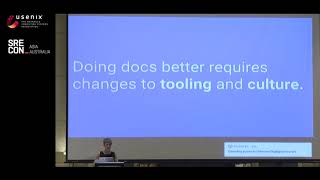
- 5:56Naomi Kriger - Technical Documentation - How to Write It Better and Why Should I Care?
- 11:03Sarjeel Yusuf - High Availability and Resilient Applications Through a Serverless Set-up in 5 Minutes
- 16:16Yuri Sa - Break the Script, use OpenTelemetry.
- 21:23João Vale - Continuous progression or big-bang innovation?
related talks
 38mBuilding Service Ownership Using Documentation, Telemetry, and a Chance to Make
 20mDo Docs Better: Practical Tips on Delivering...
 25mTest developer experience, not code
 28mFalling in love with json(net)
 59mEverything as a Code
 05mEverett Toews - Ignite OSCON 2014
 22mUncharted waters: Documenting emerging technology
 23mWriting Docs Worth Reading