WordPress Goes Serverless
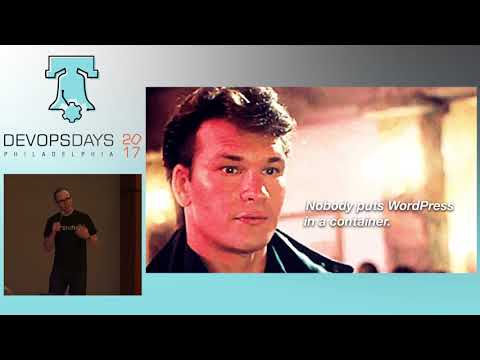
summary
Claim: WordPress can shed monolithic hosting by treating core as an app and intermittently running a container that connects to an external DB and HTTP proxy, then using a serverless function that crawls and flattens pages into static artifacts and pushes those artifacts to a CDN so public traffic hits static files while admin sessions power up the container. Prototype uses Docker, PHP, REST API and JavaScript front-end APIs to preserve comments and search; ten sponsors on the slide already use WordPress and the approach reduces attack surface.
AI-written summary · about
chapters (16)
- 0:00Introduction
- 0:30Who cares about WordPress
- 0:45Who uses WordPress
- 1:30WordPress is a powerful tool
- 1:45What about hosting
- 2:00Monoliths vs Microservices
- 2:15Service
- 2:30Surplus to WordPress
- 2:45Is that really the answer
- 3:00What is the idea
- 3:15Serverless approach
- 3:30CDN
- 3:45Service Model
- 4:15Security
- 4:30Traffic
- 4:45Dynamic Content
related talks
 24mServerless WordPress & next Interface of WordPress
 42mServerless: a backend thing that gives superpowers to frontend developers
 28mEnter a new world of web development where everything is serverless
 48mCloud Computing: Static Sites and Serverless ...
 09mServerless as a Competitive Advantage for Your Business
 02h 08mGoing serverless with PHP and Bref.sh
 35mThe serverless full stack
 06mAn introduction to serverless