DevOps Practices for the Database Team
summary
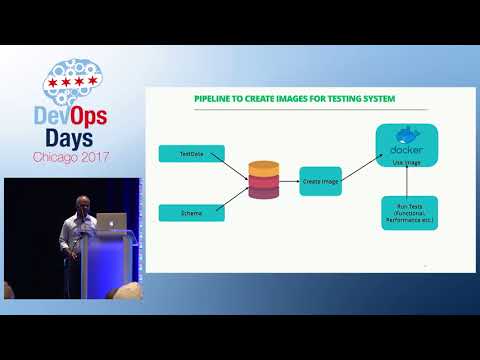
Argues for putting all database artifacts in version control and running schema changes through CI/CD with migration frameworks like liquibase, flyway, dbdeploy so database changes package with the app. Shows automated sandbox provisioning using docker images for DB sandboxes, scripts that generate grants and boilerplate, a tablespace-mapping pipeline, and expand-and-contract refactoring to keep old and new schemas working. Recommends rolling forward rather than complex rollbacks and deploying frequently (example: regular weekly releases) to reduce risk.
AI-written summary · about
chapters (5)
- 0:00Start
- 1:32WHAT DOES DEVOPS MEAN FOR THE DATABASE TEAM?
- 2:43Put all database artifacts in version control Everyone should be able to see all the artifacts of the system.
- 4:05Generate as much database boiler plate code as possible. Put the code generation in a pipeline
- 8:52Write database migration during development time. Pairing with the DBA's is important to understand production size and data complexity
related talks
 45mEnabling Continuous Delivery with Database Practices
 46mDatabase DevOps - It is Possible!
 36mUnlocking the Benefits of Database DevOps and Automation
 33mBringing DevOps To The Database
 38mGetting Along With Your Db Ops Team
 50mBringing DevOps to the Database
 05mMaking Database Changes a Tier one Artifact
 27mDevOps and the Database Bottleneck